Powerful Strategies for Dog Arthritis Pain Relief: A Detailed Guide
Arthritis among dogs is a frequent problem that affects their quality of life. Noticing small changes in conduct can be essential for prompt care. Numerous approaches are available to address pain and enhance movement. From dietary adjustments to exercise routines, each approach plays a role. Moreover, holistic therapies may present extra relief. Understanding these effective strategies is essential for any dog owner looking to enhance their pet's comfort and well-being. What steps can be taken to create a tailored plan?
How to Recognize and Manage Dog Arthritis Pain
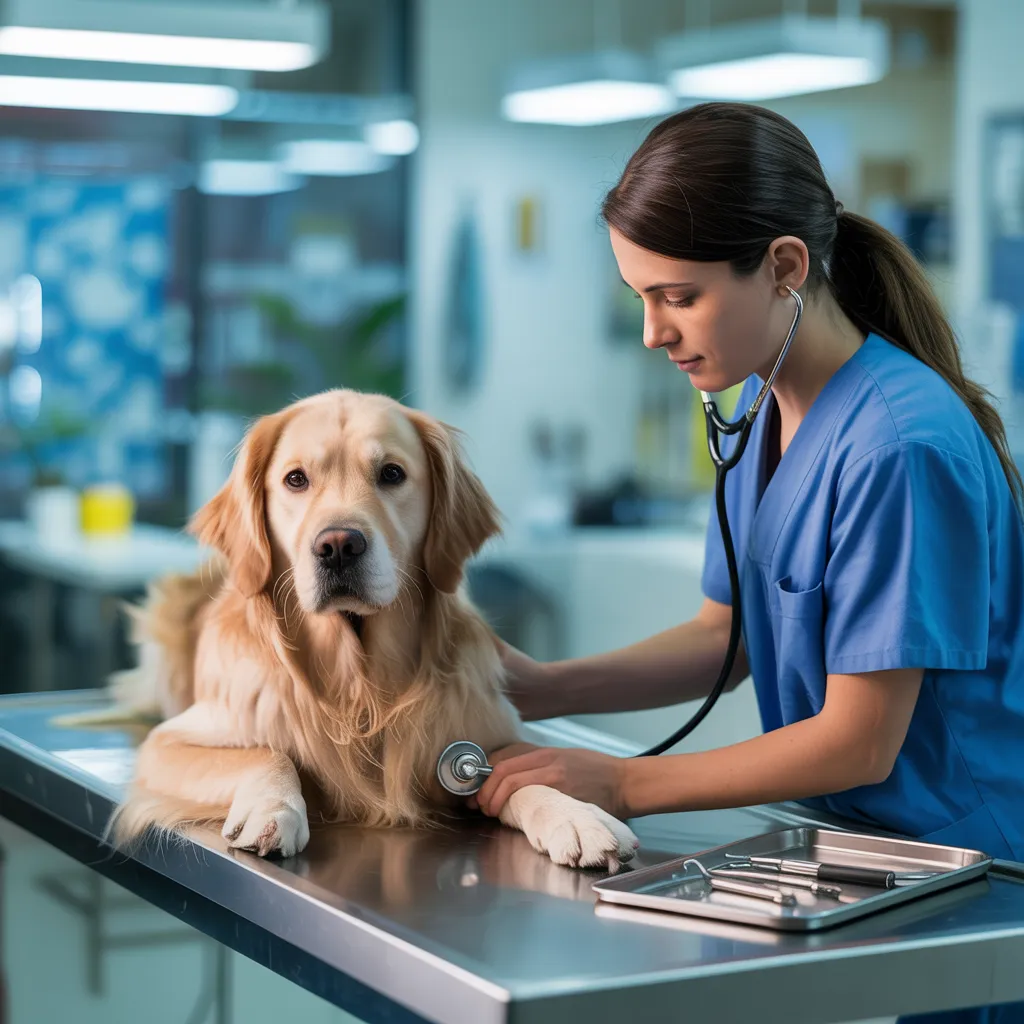
How can pet owners identify and manage arthritis pain in their dogs? Identifying arthritis pain in dogs demands careful attention to changes in behavior. Symptoms include trouble getting up, limping, unwillingness to walk or play, and reduced engagement in activities. Owners may also notice changes in posture, such as favoring one limb or adopting a hunched back.
Treatment commences with a visit to the veterinarian for a comprehensive assessment and care strategy. Veterinarians can prescribe medications to alleviate discomfort, nutritional supplements, or physical therapy designed specifically for the dog's needs. Furthermore, ensuring a cozy resting space and keeping the dog away from slippery areas can reduce stress on compromised joints. Consistent, low-impact activity can support healthy movement without aggravating existing pain. Animal caregivers should monitor their dogs closely, modifying activities according to the dog's tolerance, and maintain open communication with their vet to guarantee ideal management of joint inflammation symptoms.
Nutritional Adjustments to Ease Arthritis Pain in Dogs
A nutritionally balanced diet can greatly contribute to relieving arthritis pain in dogs. Adding anti-inflammatory nutrients, like omega-3 fatty acids present in fish oil, can work to decrease joint inflammation. Adding glucosamine and chondroitin to their diet can promote healthy cartilage, promoting better mobility.
Additionally, a nutrition plan rich in powerful antioxidants from produce can boost the immune response, contributing to overall health. Items such as blueberries, sweet potatoes, and spinach are outstanding options.
Keeping a healthy weight is important, as excess weight puts added strain on joints. Reducing caloric intake while providing nutrient-dense foods can assist in weight management.
Consulting a veterinarian for tailored dietary recommendations is strongly encouraged to ensure the diet fulfills a dog's unique needs. Overall, well-considered dietary modifications can play a significant role in easing arthritis symptoms and boosting the overall wellbeing for affected dogs.
Exercise Routines for Joint Health in Dogs
Alongside modifications to diet, adding suitable physical activities can considerably boost the health of joints in dogs affected by arthritis. Consistent, gentle exercises such as walking, swimming, and gentle play can assist in preserving flexibility in joints and overall muscle tone. Swimming is particularly beneficial, as it permits dogs to work out without putting undue stress on their joints. Shorter, more frequent exercise periods are suggested, making sure the dog avoids excessive exhaustion.
Moreover, flexibility exercises practical tips can enhance mobility and reduce stiffness. Easy exercises like leg stretches and mild twists can be conveniently incorporated into a daily schedule. Owners should further consider involving their dogs in stimulating games that foster activity without intense physical impact. Always seek advice from a veterinarian before commencing any exercise routine to align the program with the dog's particular needs and physical capabilities. This approach not only supports joint health but can also enhance overall well-being and quality of life.
Effective Medications and Supplements for Dog Arthritis
Effective management of arthritis in dogs frequently requires a mix of standard pain management medications and advantageous dietary additives. These options can assist in reducing pain and improve movement, boosting the general wellbeing for affected pets. Knowing the choices at hand is crucial for pet owners seeking relief for their beloved dogs.
Typical Pain Relief Medicines
Numerous dog owners look for effective pain relief medications to help alleviate the discomfort associated with arthritis in their dogs. Non-steroidal anti-inflammatory medications (NSAIDs) are often administered, because they effectively lower inflammation and alleviate pain. Veterinary medications such as carprofen and meloxicam are widely favored options due to their efficacy and safety profiles when used under a veterinarian's supervision. In addition, corticosteroids might be employed in some cases for their potent anti-inflammatory effects. Furthermore, some veterinarians recommend gabapentin for nerve pain relief. Every medication carries possible side effects, making attentive monitoring by pet owners essential. It is crucial for dog owners to seek advice from their vet to find the best medication customized to their pet's individual requirements and health status.
Beneficial Dietary Supplements
Although medications are essential in addressing arthritis pain in dogs, dietary supplements may deliver meaningful relief and strengthen joint health. Frequently used supplements consist of glucosamine and chondroitin, which help maintain cartilage integrity and reduce inflammation. Omega-3 fatty acids, derived from fish oil, are celebrated for their anti-inflammatory benefits and can boost mobility. Furthermore, green-lipped mussel extract provides natural anti-inflammatory advantages, while turmeric, through its active compound curcumin, can assist in relieving pain and stiffness. Antioxidants, such as vitamin E, can also support overall joint health by combating oxidative stress. It is essential for dog owners to consult with a veterinarian before introducing any supplements, confirming they integrate with existing treatment plans successfully.
The Benefits of Acupuncture and Massage for Your Dog
Acupuncture and massage present viable solutions for treating pain caused by arthritis in dogs. Acupuncture can stimulate specific points to enhance circulation and reduce inflammation, while specialized massage approaches can alleviate muscle tension and improve mobility. Together, these therapies may considerably enhance a dog's overall comfort and quality of life.
Benefits of Acupuncture Treatment
Considering holistic approaches, pet owners often seek out acupuncture and therapeutic massage as beneficial options for arthritis pain relief. The practice of acupuncture includes the placement of thin needles at targeted locations to stimulate the body's healing processes, encouraging pain reduction and minimizing inflammation. This technique can improve blood circulation, aiding in supplying vital nutrients to damaged joints. Several dogs enjoy greater flexibility and reduced discomfort after a series of acupuncture sessions. Additionally, acupuncture is widely regarded as safe and can be used alongside conventional treatments without adverse effects. This comprehensive method addresses not just physical ailments but also promotes general wellness, elevating the pet's daily quality of life. Canine caretakers regularly note improvements in their pets' conduct and physical activity following acupuncture therapy.
Massage Techniques for Relief
Massage methods offer a valuable addition to acupuncture in reducing arthritis pain in dogs. These techniques enhance circulation, decrease muscle tension, and promote relaxation, which can significantly enhance a dog's overall comfort. Targeted approaches, such as effleurage and gentle kneading, can focus on problem areas, working to reduce stiffness and improve movement.
Routine massage treatments can also nurture a more meaningful bond between the dog and the owner, forming a soothing environment that further aids in pain management. It is vital for owners to learn appropriate techniques to avoid injury and guarantee efficacy. Combining massage with acupuncture creates a comprehensive approach, addressing both physical and emotional well-being, ultimately leading to a more comfortable life for dogs living with arthritis.
Building a Comfortable Environment for Your Dog
Limiting stairways or adding ramps can make it easier for dogs to move through their surroundings, decreasing the likelihood of harm and tiredness. Furthermore, keeping living spaces free of clutter can prevent falls and make movement smoother.
Regulating temperature plays a vital role; a warmer setting can help reduce joint stiffness, while cooling pads can help address heat sensitivity. Furthermore, ensuring that the dog's favorite toys and resting spots are easily accessible supports activity levels while limiting unnecessary physical effort. By applying these modifications, owners can create a nurturing environment that supports their dog's well-being and mitigates arthritis-related pain.
Frequently Asked Questions
Can Dog Arthritis Be Prevented With Early Intervention?
Prompt action can help lower the risk of developing canine arthritis. Regular veterinary check-ups, weight management, and regular exercise routines promote overall joint function, potentially preventing or delaying the onset of arthritis-related symptoms in aging pets.
What Are the Symptoms of Advanced Arthritis in Dogs?
Signs of serious arthritis in dogs include significant difficulty in movement, favoring certain limbs, reluctance to engage in play, apparent sensitivity when handled, joint swelling, diminished physical engagement, and changes in behavior, such as heightened agitation or social withdrawal.
What Can I Do to Help My Dog During a Flare-Up?
In the event of a flare-up, providing a comfortable resting area, giving prescribed medications, and placing heat or cold packs can aid in reducing discomfort. Short, gentle exercise sessions may also enhance mobility without overtaxing the affected dog.
Are Some Breeds More Susceptible to Arthritis?
Specific breeds, such as Labrador Retrievers, Golden Retrievers, and German Shepherds, are at greater risk of arthritis owing to genetic predispositions, overall size, and joint formation. Routine vet visits are effective in managing their susceptibility.
When Should I Consider Surgery for My Dog's Arthritis?
An operation for a dog's arthritis becomes an option when discomfort continues despite alternative therapies, mobility considerably declines, and quality of life deteriorates. Consultation with a veterinarian is essential to establish the right path forward.